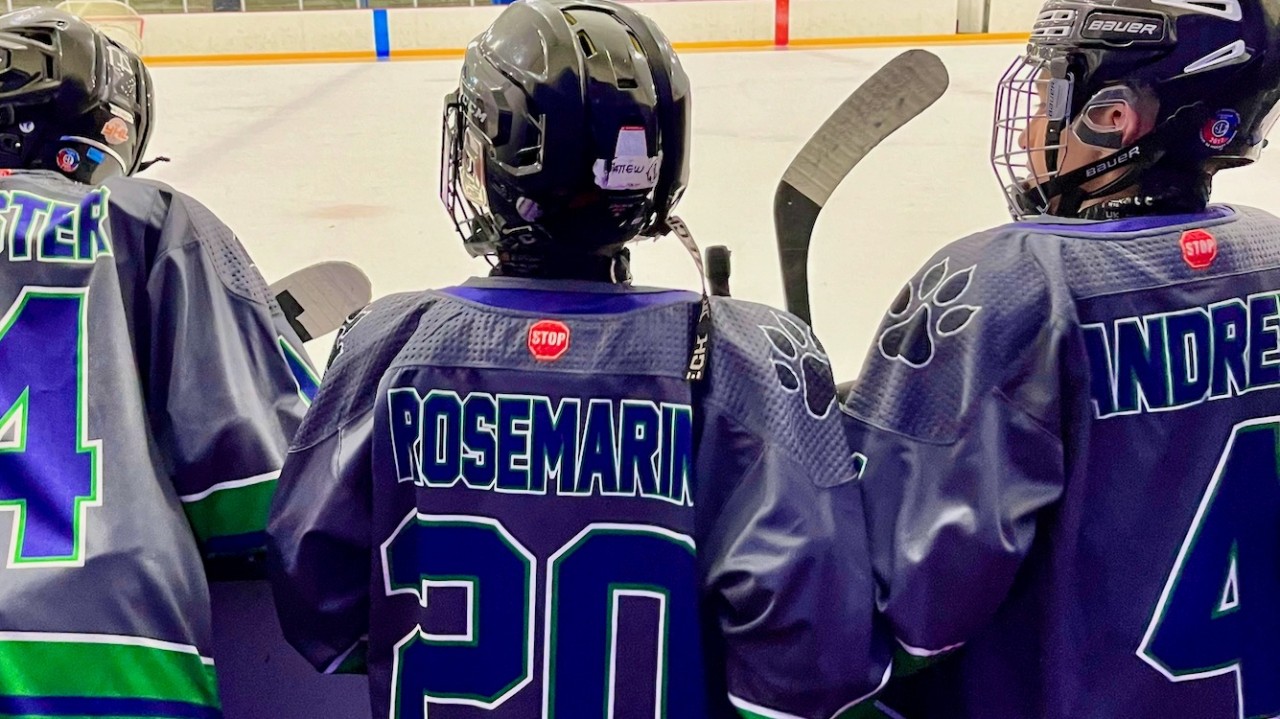
“The strength of the team is each individual member. The strength of each member is the team.” — Phil Jackson
Dear Shawn,
From your earliest years you can vividly remember how much you loved hockey especially watching “Hockey Night in Canada” with your Dad and Grandfather on Saturday nights. At a young age you started skating, joined the local league and spent many days on the neighborhood rink playing “pickup” with whoever was around. As the years passed, even thought many other interests came into play your love for hockey remained.
For you, one of the greatest honors has been sharing this passion as a minor hockey coach. It’s now been 10 years since you took your first spot “behind the bench” and you never realized how much you would learn from the kids you coached through years. In fact, some of your greatest leadership fumbles, and learnings have come from forming, developing and managing the team!
Here are some of the things I’ve learned. I think you will see a very strong connection between these learnings across more than just minor sports but the business world at large!
No matter how prepared you are the game will never play out the way you predicted: We enter every game with a keen eye on the opposing players stats and a plan to win. That being said, “every plan fails at the first hill” and a good coach needs to focus on what is happening in the game, how players are feeling in the moment and finding the critical few adjustments that will make the difference to win.
A great team is better than great players – The real magic happens when individual players stop thinking about their personal stats and start playing and supporting their team. As a coach you can see it when players come to bench, line up for a face-off and talk to each other in the dressing room. Players who truly feel connected to one another and supported by one another will always outperform those who are merely a collection of stars and dogs. In 60 mins of hockey stamina is essential and a sense of “purpose” inspires performance from every player.
Losses are more important than wins – Losses sting, no doubt about it. But it’s understanding why you lost and what happened that led to the loss that makes the team stronger in the long-term. It’s not about blame but it is about having an honest discussion about what the team needs to learn from the loss that builds focus and determination for the future.
Coaches develop skills and attitude – As your kids have grown up it’s gotten harder to keep up with their skills, simply put there is always a player that can demonstrate a drill better than you can. That being said, your leadership has gravitated to leading with your attitude and fostering a culture of mutual respect and taking practice seriously. This means showing up on time, ready to play, supporting your teammates and thanking those around you (coaches, parents and officials) for their time and dedication to the game.
Everybody has a bad day but contribution goes beyond scoring goals – There is always a day that kids show up and they don’t have the mental or physical strength to compete at their standard level. As a coach you need to recognize that and find a away for them to contribute to the best of their ability, often inspiring other players to step up their game.
Inspiration happens every day – Not in a big pre-game speech – The real strength of communication lies in the everyday interactions with your team. Coaches communicate clearly ensuring that their message is succinct and the priorities are few. Clarity, reinforcement and consistency wins out over anything else. Feedback happens 1:1 on the bench after the play always asking the question “What did you see out there” before jumping in with suggestions.
Like it or not you are the role model – Players follow actions, not just words. As a coach, if you ask your team to push harder, they’ll be watching to see if you’re putting in the same effort behind the scenes. It’s not just about the big wins—it’s about how you carry yourself after a loss and how you interact with them every day, in the little moments.
Ask for feedback – One of the best parts of being a hockey coach is that unlike the working world kids won’t pander to you to “keep their job”. If you ask for feedback you’ll get honest and unfiltered feedback on what you are doing well and what you can do to improve. These insights are an incredible feedback mechanism for you to improve.
If you enjoyed this write-up here are direct links to the rest of the series.
Part I – “Keep an eye on the gas gauge”
Part II – “What’s the worst that can happen?”
Part III – “What’s the ONE THING”
Part IV – “Navigating the ups and downs of a career in sales”
Part V – “Don’t eat the marshmallow”
Part VI – “Not every mountain is Mt. Everest!”
Part VII – “Anchor your career with your towering strengths”
Part VIII – Do you choose the red pill or the green pill?
Part IX – “Managing your Monkeys”
Part X – “Attacked from Within”
Part XI – “The mirror does not lie….”
Part XII – “The Time Machine is broken”
Part XIII – “Don’t forget where you came from”
Part XIV – “Patience Young Grasshopper”
Part XV – “Slow Down and Embrace Empathy”
Part XVI – “Keep your fire doors closed”
Part XVII – “Enjoy the ride up but remember to send the elevator back down”
Part XVIII – “Authenticity – Finding your true voice”
Part XIX – “Connecting work with Purpose”
Part XX – “”Riding the wave of Endless Meetings”
Leave a Reply